The Annual Thoreau-Wabanaki Trail Festival
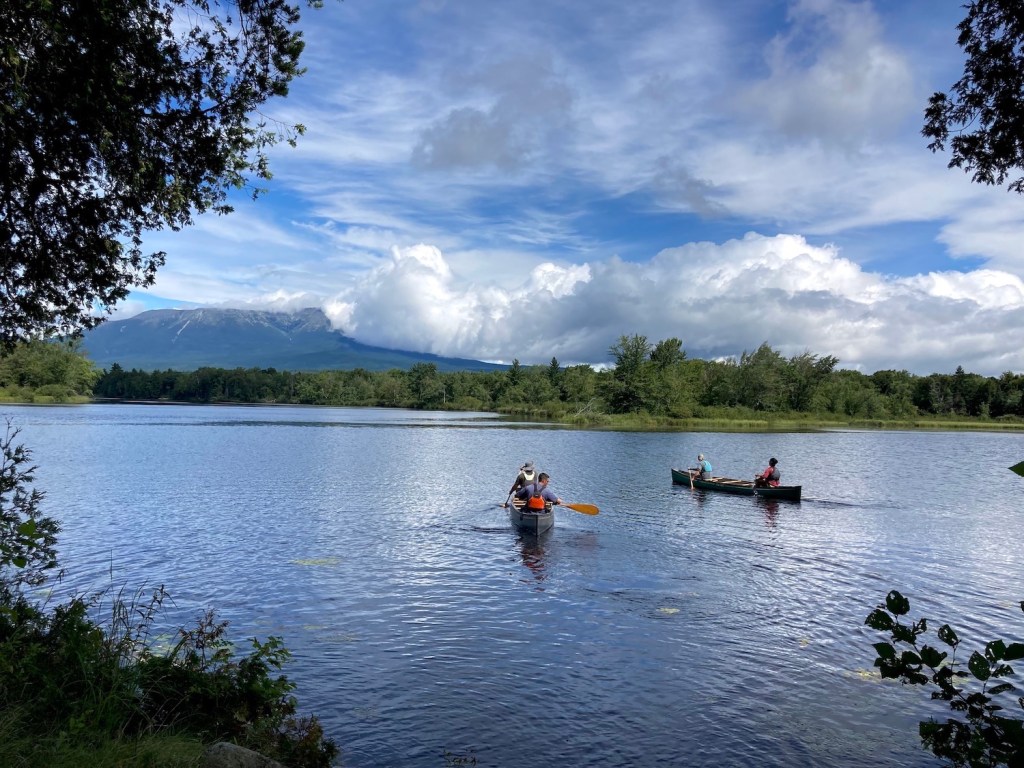
The Thoreau-Wabanaki Trail Festival commemorates the ways of the Wabanaki people and poet, naturalist philosopher Henry David Thoreau’s three trips into Maine’s North Woods, two of which were launched with Penobscot guides on Moosehead Lake.
In 1853 and 1857, Thoreau and guides gathered supplies at D.T. Sanders Store, the all-encompassing outfitter in the remote settlement of Greenville, used as the jumping off point into the North Woods for loggers. At the time, there were not many like Thoreau, who ventured into the wilds just to go. The trail consists of traditional Wabanaki canoe routes and portages on Maine’s great Kennebec, Penobscot, and Allagash river drainages, over which Henry David Thoreau made guided journeys in 1846, 1853, and 1857.
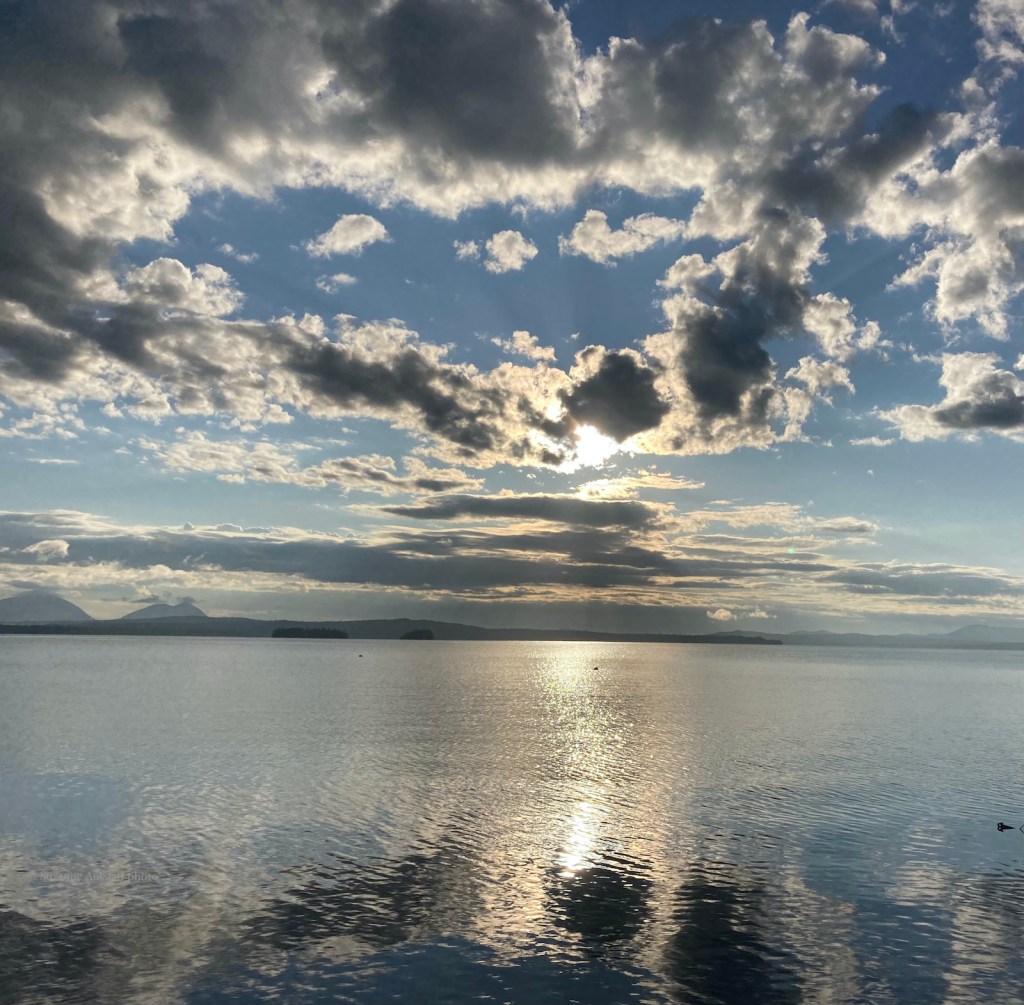
The Festival celebrates the balm of the Maine Woods, as seen through the eyes of Thoreau, learned from the traditions of the Wabanaki ways.
The Mission of the Thoreau-Wabanaki Trail Festival is to:
Encourage the understanding, appreciation, and stewardship of Maine’s unique cultural and natural heritage; Inspire spiritual renewal in Maine’s North Woods for all Maine residents and visitors.
In March 2024, the annual Thoreau-Wabanaki Trail Festival became its own 501(c)(3) non-profit charitable educational organization. The annual festival first took root in 2007, under the auspices of Maine Woods Forever. It was umbrellaed under a number of local organizations until incorporating as its own entity two years ago.
The Festival honors the early, cultural understanding that grew from naturalist philosopher Henry David Thoreau’s experiences into the wilds of this remote territory with Penobscot guides Joseph Attean and Joe Polis, without whom he could not have survived or learned as much as he did about being in these woods and waters.
His voice, some 170 years later, is now universally quoted, his ideas sought world-wide.
His essays, many forever influenced by his time here, and his life-long passion to try to understand Wabanaki ways, transformed a nation, beyond his era’s unbridled entrepreneurial spirit to harness natural resources for financial gain, and gave birth to today’s conservationist call to live harmoniously with nature, for its many human benefits.
In 2007, Maine Woods Forever created the Thoreau-Wabanaki Trail Festival, its first outdoor cultural heritage project. For a time, it was also umbrellaed under the auspices of the Moosehead Historical Society and under the Natural Resource Education Center at Moosehead. In 2024, the Trail Festival was incorporated as its own 501(c)3 non-profit entity. In 2026, now celebrating its 19th year, the Thoreau-Wabanaki Trail Festival has grown to deliver a week-long program of activities and presentations tracing the significance of Indigenous ways and this North Woods landscape. Today, Destination travelers to the Moosehead Lake region can stay, explore, and learn from the Festival and Wabanaki, visit the granite sculptures that were designed and blessed by the Wabanaki, sit in Thoreau Park, and see the Thoreau-Wabanaki Trail kiosks that tell the story about this cultural and natural heritage, all located in East Cove, downtown Greenville, Maine.
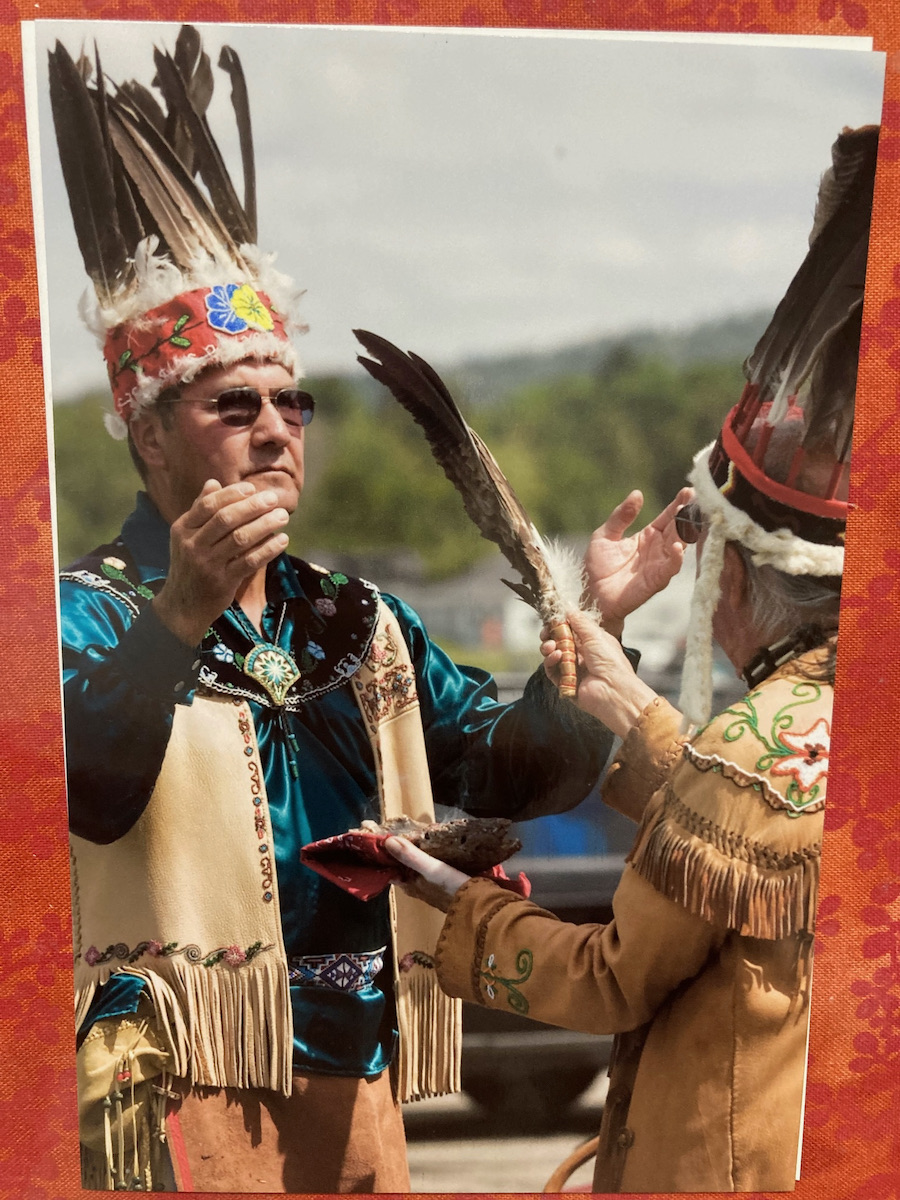
The Festival partners with the Penobscot Nation Cultural and Historic Preservation Department to engage visitors in first-hand experiences of Wabanaki ways of living and being with the natural world. People can take a three-day canoe-camping trip with Penobscot cultural keepers and guides, learning some of the traditional ways that have great meaning to Penobscot living and that influenced Thoreau’s perspective about the natural world.
Each year, the Festival brings the best people in their fields to Greenville for programs that provide genuine, dynamic, informative introductions about the region’s native flora, fauna, natural and cultural heritage.
Over the past seven years, some notable highlights are:
* Live Owls! by the Chewonki Foundation
* A Penobscot Sense of Place by James E. Francis, Sr., Penobscot Nation Cultural and Historic Preservation Director
* All About Moose by Lee Kantar, Maine’s Moose Expert, Honored International Biologist, Maine Dept. of Inland Fisheries & Wildlife Biologist
* So What’s the Big Deal About Moosehead Brook Trout? by Tim Obrey, Maine Department of Inland Fisheries Moosehead Lake Region Biologist Supervisor
* Bees: Our Native Pollinators by Matt Scott, co-founder of the Maine State Beekeepers Association, past president of the Eastern Apicultural Society of North America
* A Guide to Solo Wilderness Travel by Outdoor Experts Aislinn Sarnacki, Wendy Weiger and Alexandra Conover Bennett
* Wabanaki Ways in the Maine Woods by Chris Sockalexis, Penobscot Nation Anthropologist, Archeologist, Flintknapper, Drummer and Singer
* Penobscot Cultural Immersion on Sugar Island, Journey by Penobscot Cultural Dept.
* North Maine Woods Wildflowers by Paul Johnson, Maine Woods Forever Board Member, Maine Dept. of Inland Fisheries Moosehead Region Biologist (retired)
* Heaven Beneath Our Feet: Mindful Exploration of the Maine Woods by Dr. Wendy Weiger, Naturalist and Manager of the Appalachian Trail Conservancy’s Monson Visitor Center, Founder of Achor Earth Ways
* Tracing Thoreau’s Trips in the Maine Woods by Paul Johnson, Maine Woods Forever Board Member
* Nature Walks with Alexandra Conover Bennett, Master Maine Guide, Wilderness Expert
* Last Leg of Thoreau’s Trip, canoe-camping trip with Penobscot Guides
* Modeling of the Solar System by John Meader, Astronomer/Owner/Teacher Northern Stars Planetarium
* Lily Bay Night Sky Tour by astronomer John Meader
* Wabanaki Culture & Collections Workshop for Museums, Archivists and Teachers, produced by Suzanne AuClair, Moosehead Historical Society & Museums Director (retired) & Maine Archives and Museums
* Conservation Easements: How They Create Varied Wildlife Habitat Across the Landscape by Forest Society of Maine
* A Thoreau Saunter Up Little Moose Mountain by Dr. Wendy Weiger
* Littles Exploreres Archeology Program by L.S. Bates Museum and the Natural Resource Education Center at Moosehead
* Tracing Thoreau’s Trail: East Cove to Katahdin, Bert Call photographic retrospective by Frank Spizuoco, Abbot Museum
* The Life and Times of Moosehead’s Henry Perley, aka Chief Henry Red Eagle by Suzanne AuClair, president Thoreau-Wabanaki Trail Festival
* Relationship Between Wabanaki and Tourist Collectors During the Late 19th and early 20th Century, with Focus on the Moosehead Lake Region by Julia Gray, Archeologist and Past Director, Abbe Museum
 2026 Thoreau-Wabanaki Trail Festival